Arboriculture & Urban Forestry Fast Track Certificate
Experience Learning in Nature's Classroom!
Unlock your passion for the great outdoors and make a real impact on your community with WNMU's Arboriculture & Urban Forestry certificate programs. Gain the hands-on skills and industry-recognized credentials to launch an exciting career caring for the trees and green spaces that beautify our cities and towns. Whether you're drawn to the art of tree climbing or the science of urban forest management, these flexible tracks open the door to in-demand, well-paying jobs in a thriving field.
- Hands-On Learning: Master tree care and cultivation techniques, from planting to pruning, while adhering to industry standards.
- Safety First: Gain essential skills in safe equipment operation, ensuring you can work confidently and responsibly in any environment.
- Real-World Application: Learn to manage urban forestry projects, conduct tree inventories, and design sustainable solutions for our green spaces.
With our program, you’ll be equipped not only for a rewarding career in urban forestry and arboriculture but also for advanced studies in graduate or professional schools. Join us and cultivate a greener future!
Core Courses
ARBO 1000 introduces the principles of arboriculture and urban forestry, focusing on tree care management practices, and professionalism. Students will learn about industry standards, career opportunities, and the benefits of trees. Through practical applications and classroom learning, students will gain essential knowledge for enhancing urban environments by supporting healthy trees.
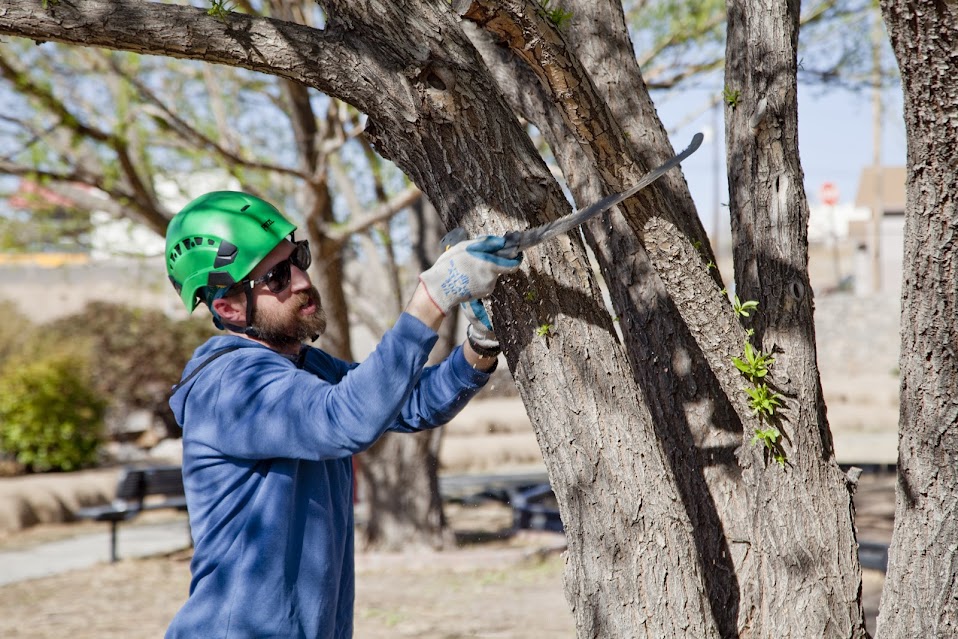
This course offers an in-depth study of tree biology and sustainable tree care practices, using plant science to support effective tree care, including: pruning techniques; soil and water management; tree identification; pest control; and best planting practices. Students gain essential skills to cultivate healthy trees in urban and natural landscapes. The companion lab (ARBO 1020-L) provides hands-on practical experience to reinforce material from lecture.
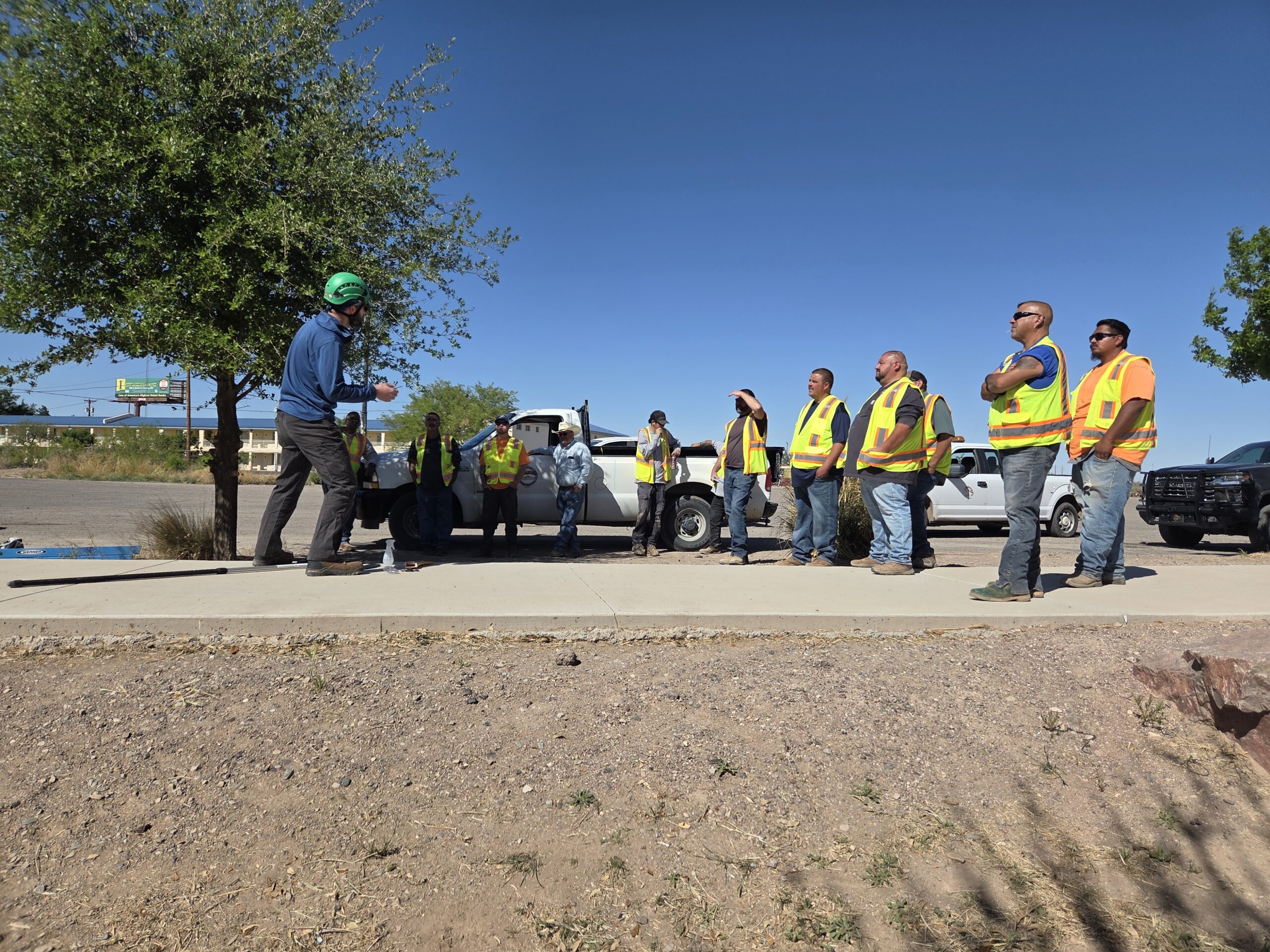
This course teaches safe use and maintenance of arboricultural tools and equipment. Students will learn to select, use, and maintain appropriate hand and power tools, including chainsaws and brush chippers, focusing on safety protocols and industry standards. Practical training in rope management and knots will develop proficiency in arboricultural practices.
ARBO 1150 emphasizes jobsite safety and effective communication in arboriculture. Students learn hazard identification, appropriate personal protective equipment (PPE) selection, and jobsite management. Key skills include climber support, brush management, traffic control, and use of tools & equipment. Students develop a comprehensive foundation for safe and efficient tree care practices.
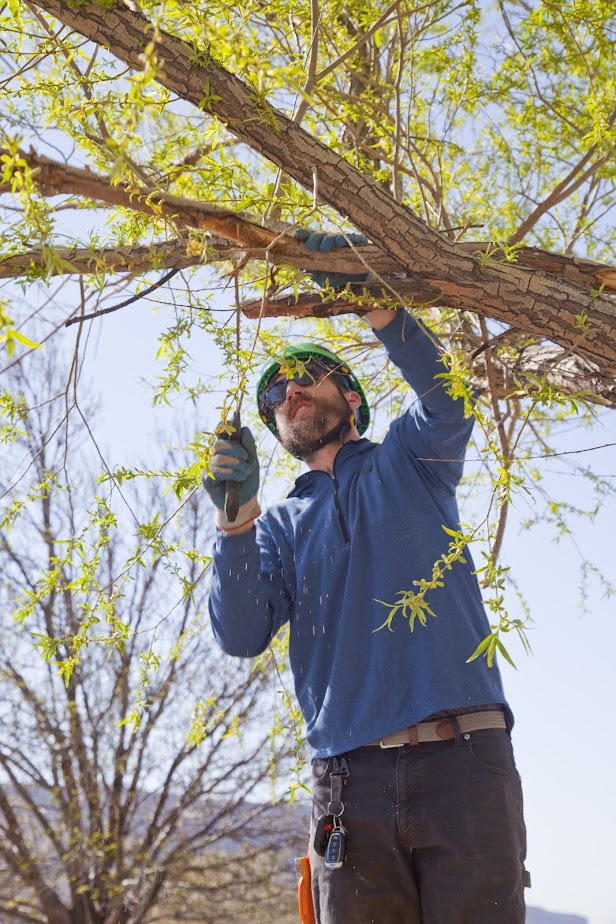
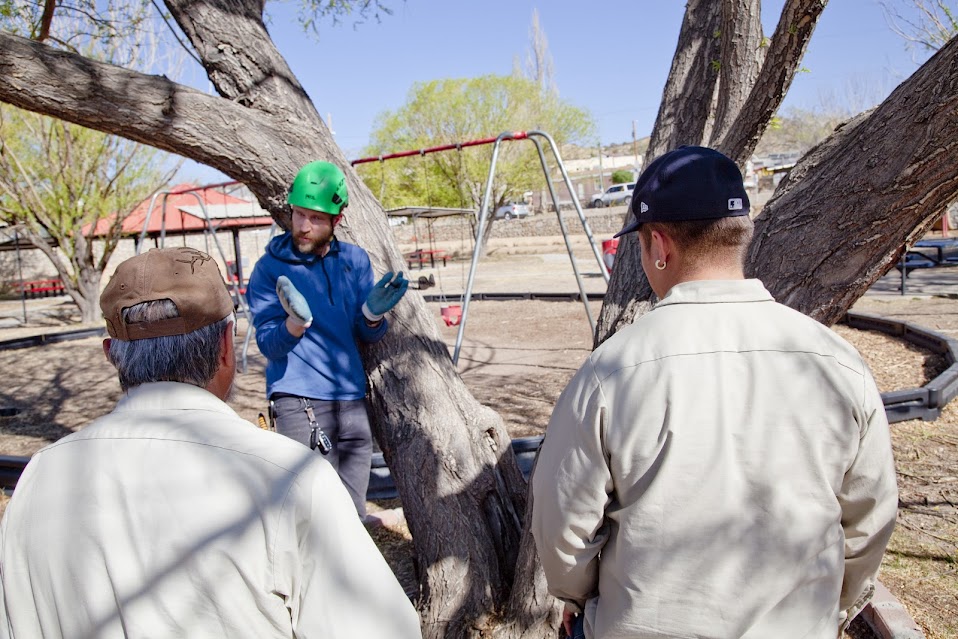
This course provides an overview of safe climbing and pruning techniques in arboriculture. Students will learn about climbing equipment, rope systems, and hazard assessment. Key topics include safe work positioning, limb management, and simple rigging practices. Practical training will prepare students for entry-level tree climbing.
ARBO 2010 teaches advanced tree care and urban forest management with GIS applications for urban forestry, tree inventories, and urban tree benefits. Topics include irrigation management, soil science, and impact mitigation of construction near trees. Emphasis on community trends and tree risk assessment prepares students for effective urban forestry management.
Students will gain hands-on experience through an internship with an industry-related professional. This opportunity provides exposure to advanced tree care techniques and practices, allowing students to apply knowledge gained from coursework in real-world settings. Develop essential skills, learn from industry professionals, and enhance your understanding of arboriculture in the field.
Degree Plans
Program Schedules 2026-2027
Workforce Alignment
Arborists can become certified through industry-recognized professional organizations:
Careers in Urban Forestry
- Arborist — Specializes in the individual care of trees.
- Urban Forester — Manages entire populations of trees in urban areas, focusing on planning, policy, and community advocacy.
- Tree Climber — Scales trees to remove limbs or perform maintenance.
- Forestry Technician — Conducts field surveys and monitors tree health for pests or disease.
- Urban Forestry Planner — Works with city developers to integrate green spaces and tree canopies into urban design.
Program Contact